
How to film an event so the video keeps working for a year
 Vėjas V. BalčiūnasFounder of WindStudio
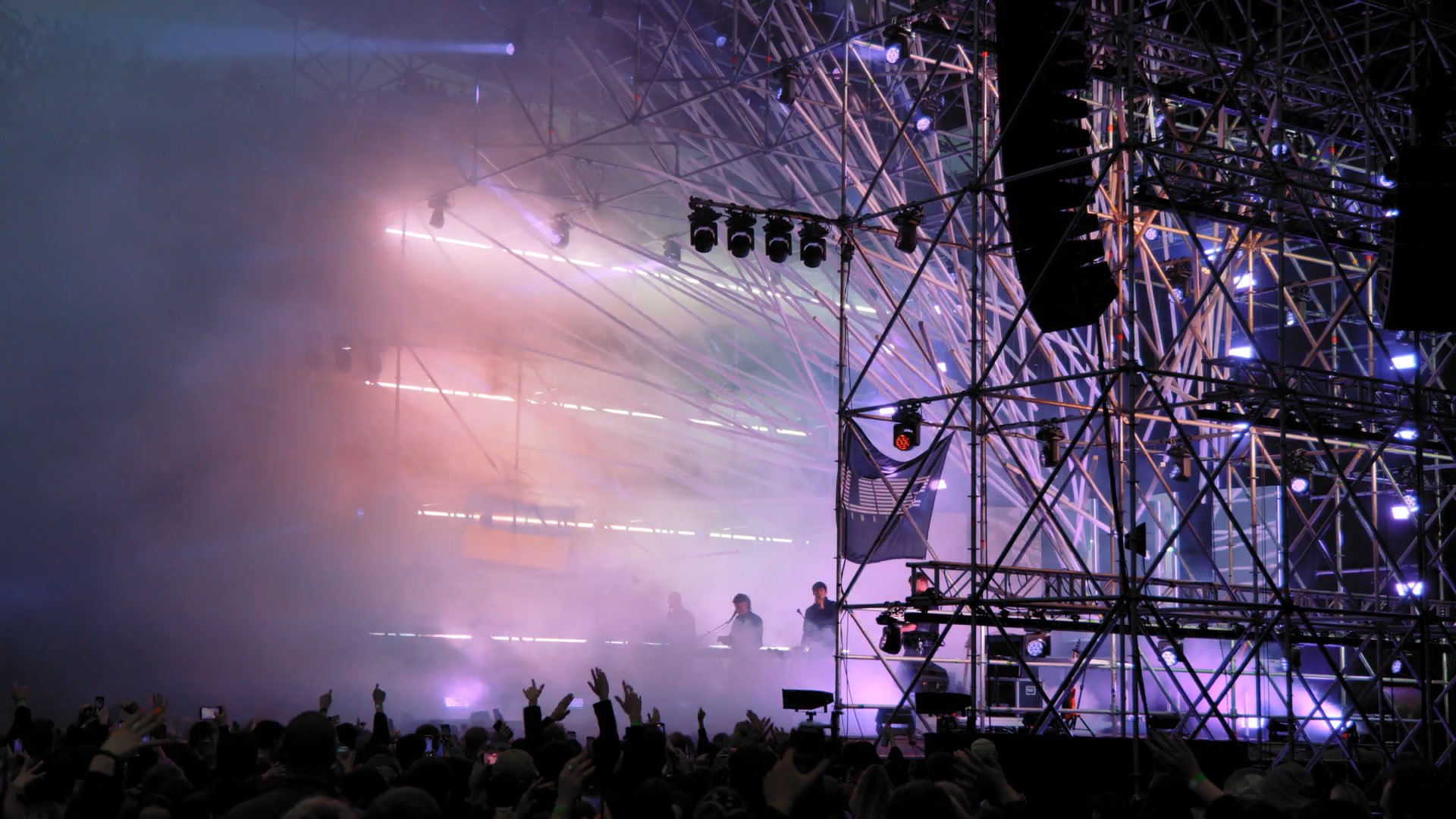
Most event videos live for a week. Here is how to plan the shoot so it gives you short clips, testimonials and ads for months ahead.
Most event videos live for a week. They get posted, everyone enjoys them, and then they sink. Yet one day of filming can give you material for the whole year: short vertical clips, ads, website visuals, next year’s invitation. That takes preparation.
A shot plan before the event
A week before the event, sit down with your videographer and write down what the footage will be used for. Not “a nice video”, but specifics: next year’s invitation, social media ads, the main visual on your website, a thank-you to partners.
Then make a shot list:
- key moments and their times according to the programme;
- people who must be on camera: speakers, partners, your team;
- details: logos, decorations, food, your product;
- wide shots: the empty venue before guests arrive, the full room, the entrance.
Give the videographer a programme with an exact timeline and a contact person who will know what is happening where on the day.
Vertical and horizontal formats
Horizontal footage works for your website, YouTube and presentations. Vertical is needed for Instagram, Facebook stories and TikTok. You can crop vertical from horizontal, but the composition often suffers: the person ends up at the edge or loses the top of their head.
Agree in advance which moments get filmed in both formats. Sometimes a second camera or a phone on a stand is enough. The most important moments are worth having both ways.
Short cut-downs
Besides the main film, order a few short versions: 15–30 seconds, vertical, with subtitles. One about the atmosphere, one about the key message, one with guests’ reactions. You can post them one at a time over several months.
Subtitles are a must, because many people watch on their phones with the sound off.
Interviews and testimonials
A short testimonial from a guest or partner on camera is often worth more than ten beautiful shots. Plan a quiet corner with good light and time in the programme for it. Prepare two or three simple questions:
- Why did you come to this event?
- What stood out to you most today?
- Who would you recommend it to next year?
Ask people to repeat the question in their own words when answering. Then the answer works without the question. And get consent in advance to use the testimonial in ads.
Sound
Viewers will forgive weak picture, but not weak sound. Record speeches straight from the sound desk or with a lavalier mic, not with the camera mic from the back of the room. Film interviews with a lavalier, away from the music. Agree with the sound technicians in advance so there is an output for recording on the desk.
Which files to get
Before signing, agree on what you will receive:
- the main film in horizontal format, high resolution;
- short vertical versions with and without subtitles;
- a version without music, in case you want to change the music later;
- selected raw footage, if you want to create new clips later;
- a few frames as still images for covers.
Ask about music licences as well. A song that is fine for a personal post can get blocked in an ad.
Clips for ads
A good ad is often not filmed specially but assembled from real moments. A full room, smiling people and a short testimonial say more than any slogan.
Make a simple plan: one new short clip from the event footage every month. Before next year’s event, run an ad with last year’s footage and testimonials. That way one day of filming works all year.
Planning an event and want the footage to work for longer than a week? Email [email protected] or call +370 5 241 6817. We will put the shot plan together with you before the day.